
How Does Climate Change Affect Animals? A Simple Beginner Guide
How does climate change affect animals? It changes where they can live, what they eat, and when they move.
This guide breaks it down with real examples and shows you how Indigenous nations are stepping in to protect wildlife.
How Climate Change Affects Animals: The Big Picture
Animals are tuned to the seasons, temperatures, and food sources of their home range. When those patterns shift faster than species can adapt, survival gets harder.
Habitats move north or uphill as temperatures rise
Food appears earlier or later than animals expect
Extreme heat, drought, and wildfire destroy shelter
Warmer winters let pests and diseases spread
Five Ways a Warming Planet Changes Animal Life
Each effect connects to the others, so one change often sets off several more.
Shifting Habitats
Many species are moving toward cooler ground. Mountain animals like the pika have less room to go, since they can only climb so high.
Mismatched Timing
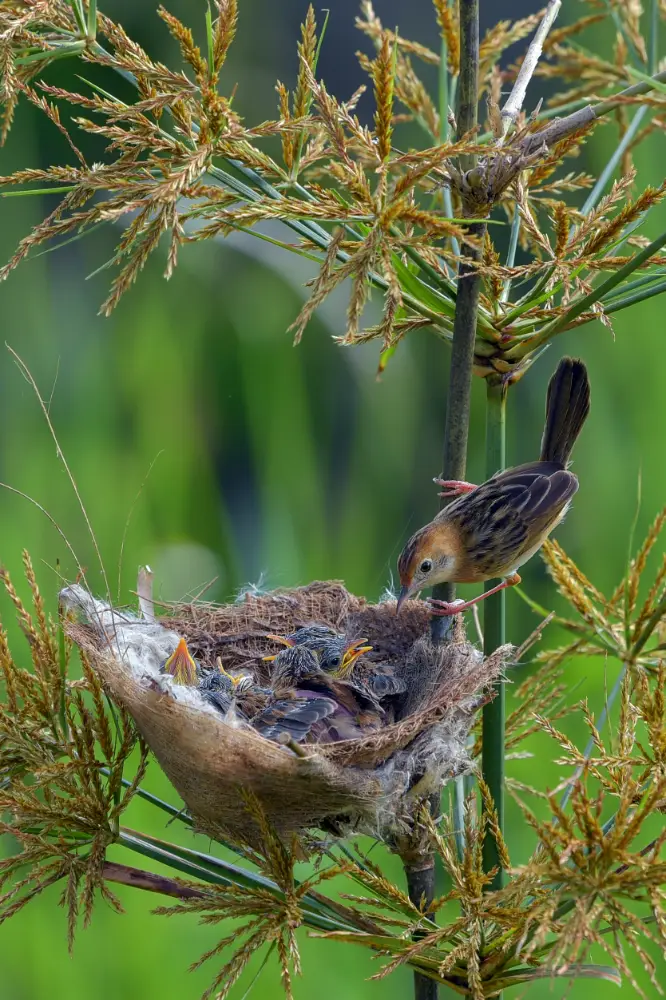
Birds may arrive after the insects they feed on have already peaked. This mismatch leaves chicks with less food during the weeks they need it most.
Shrinking Ice and Snow
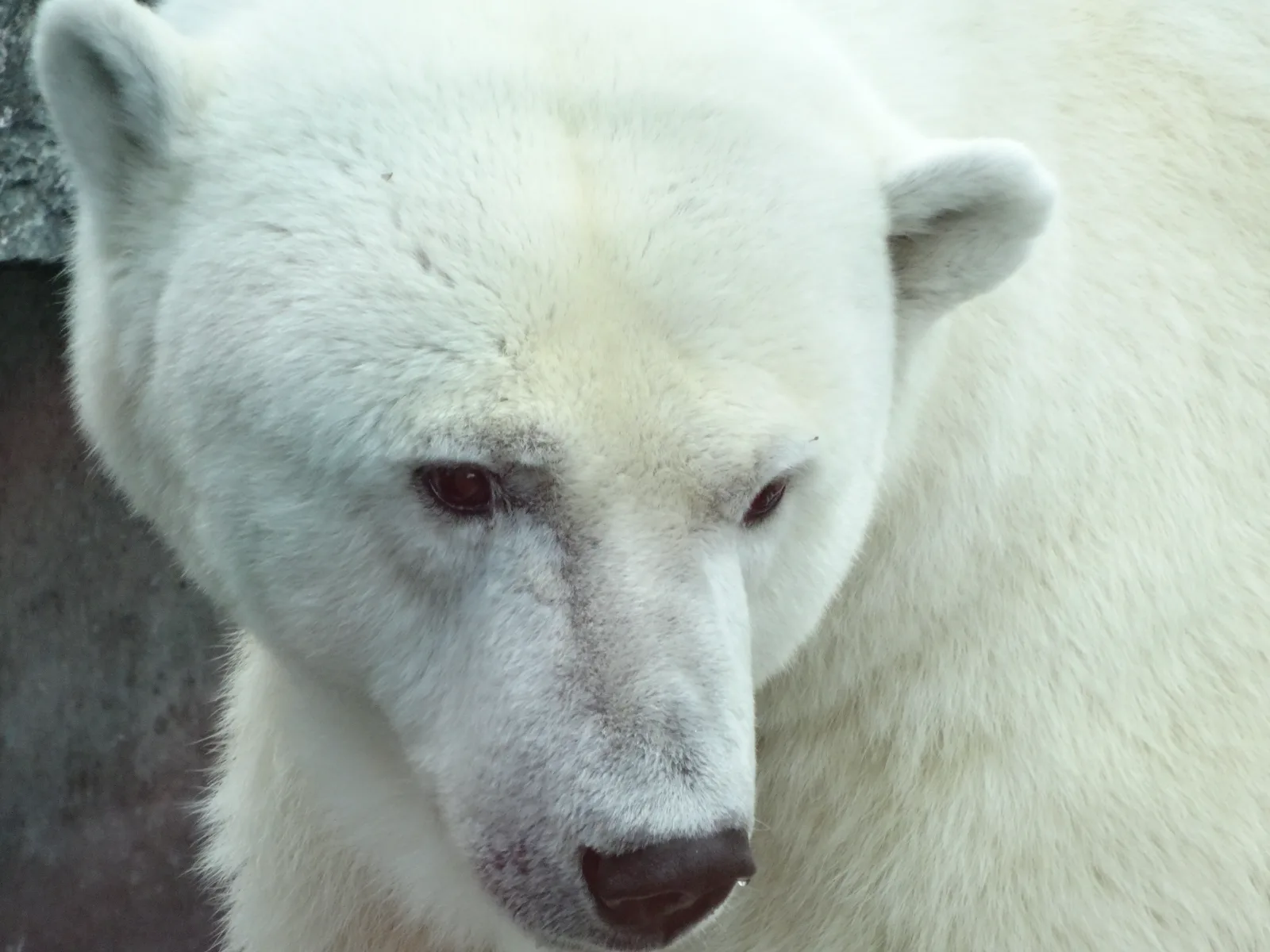
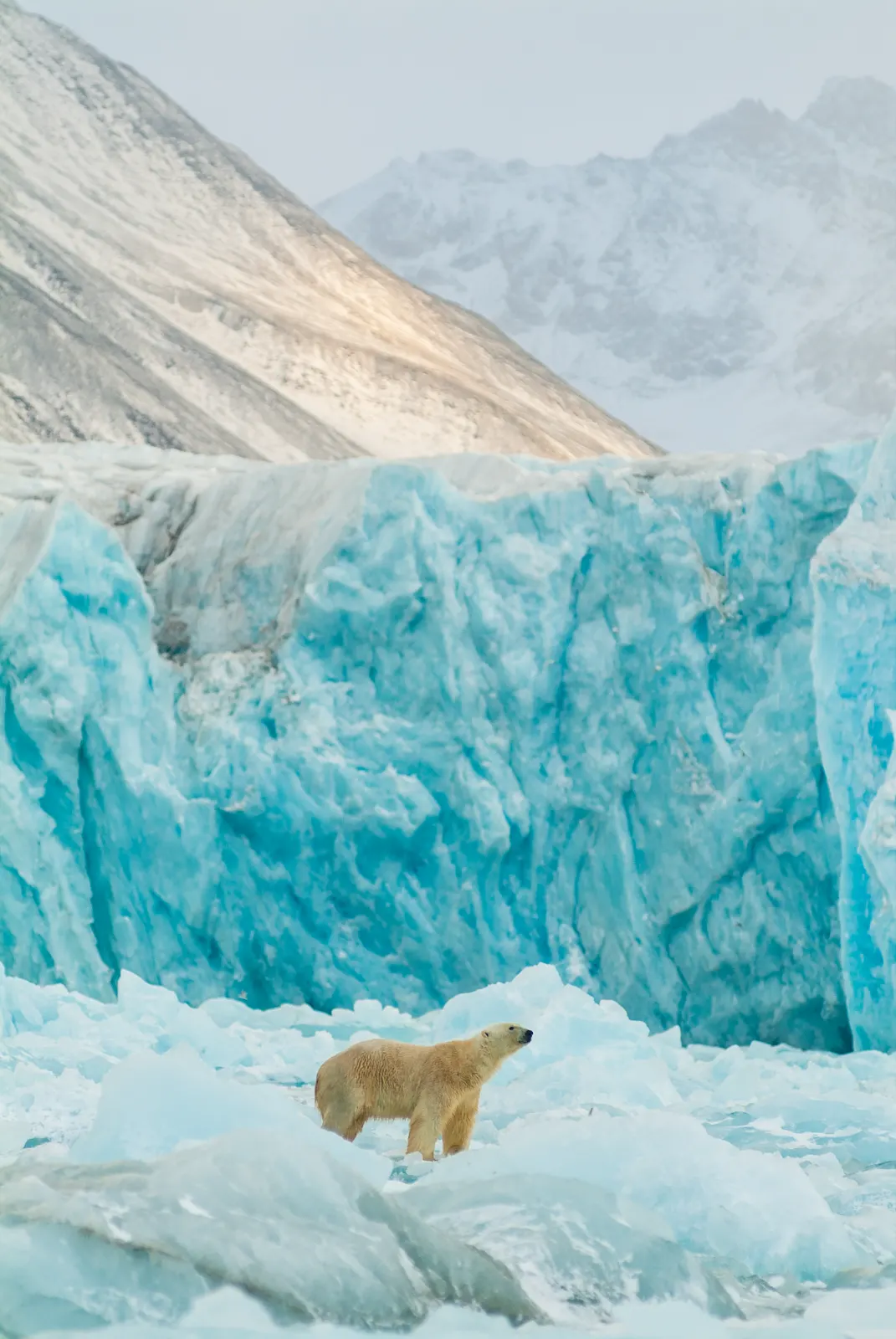
Polar bears rely on sea ice to hunt seals. Snowshoe hares that turn white in winter now stand out against bare brown ground.
Warming Waters
Salmon need cold, clean rivers to spawn. Warmer water stresses fish, and coral reefs bleach when ocean temperatures stay too high.
Spreading Pests and Disease
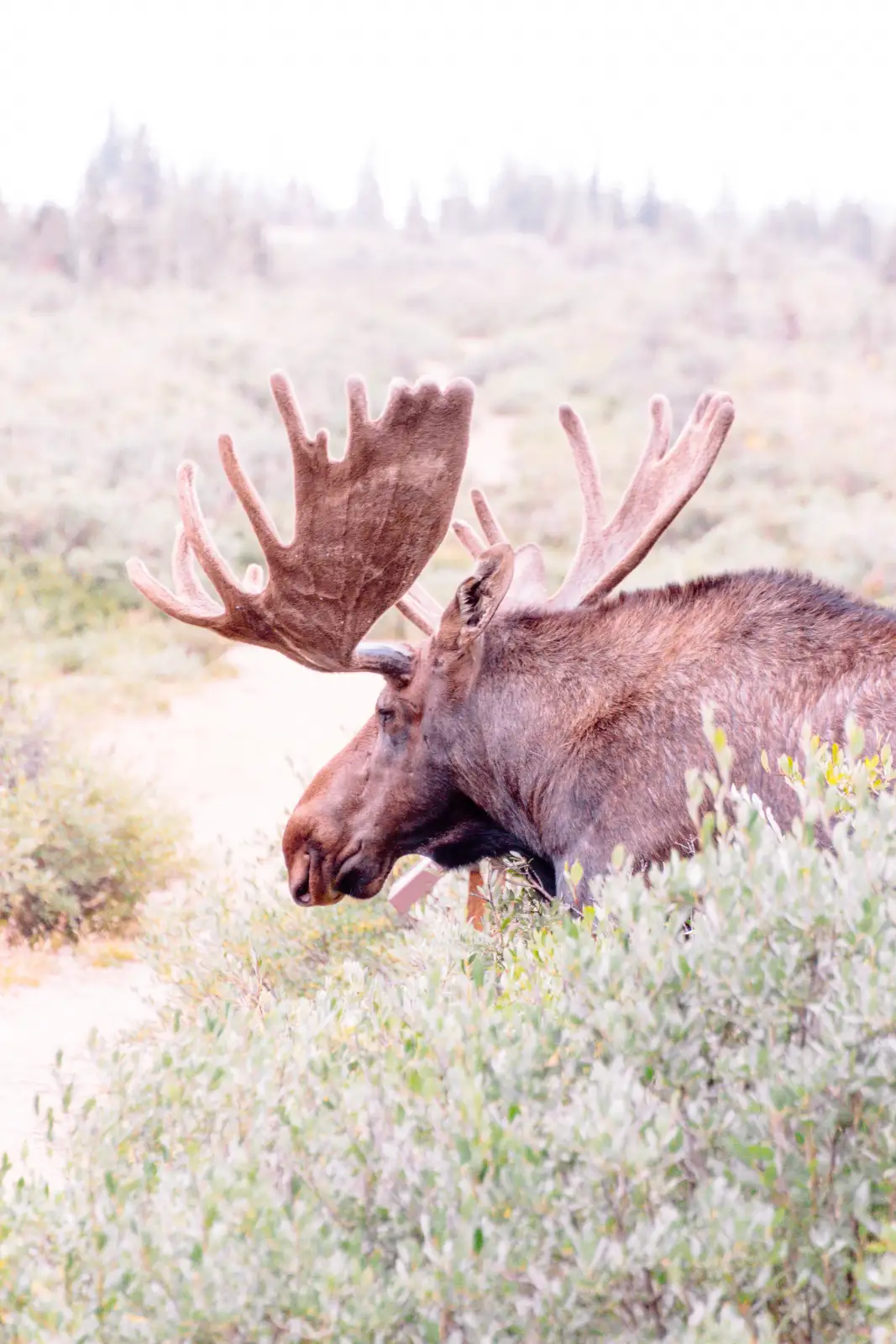
Mild winters let winter ticks survive in huge numbers. In parts of the northern U.S., these ticks have badly weakened moose populations.
Why Animals Matter to Native Nations
For many tribes, animals are relatives, teachers, and the base of traditional food systems. When animals struggle, culture and food security are at risk too.
- Pacific Northwest tribes see salmon runs decline as rivers warm
- Alaska Native hunters find caribou herds changing routes and timing
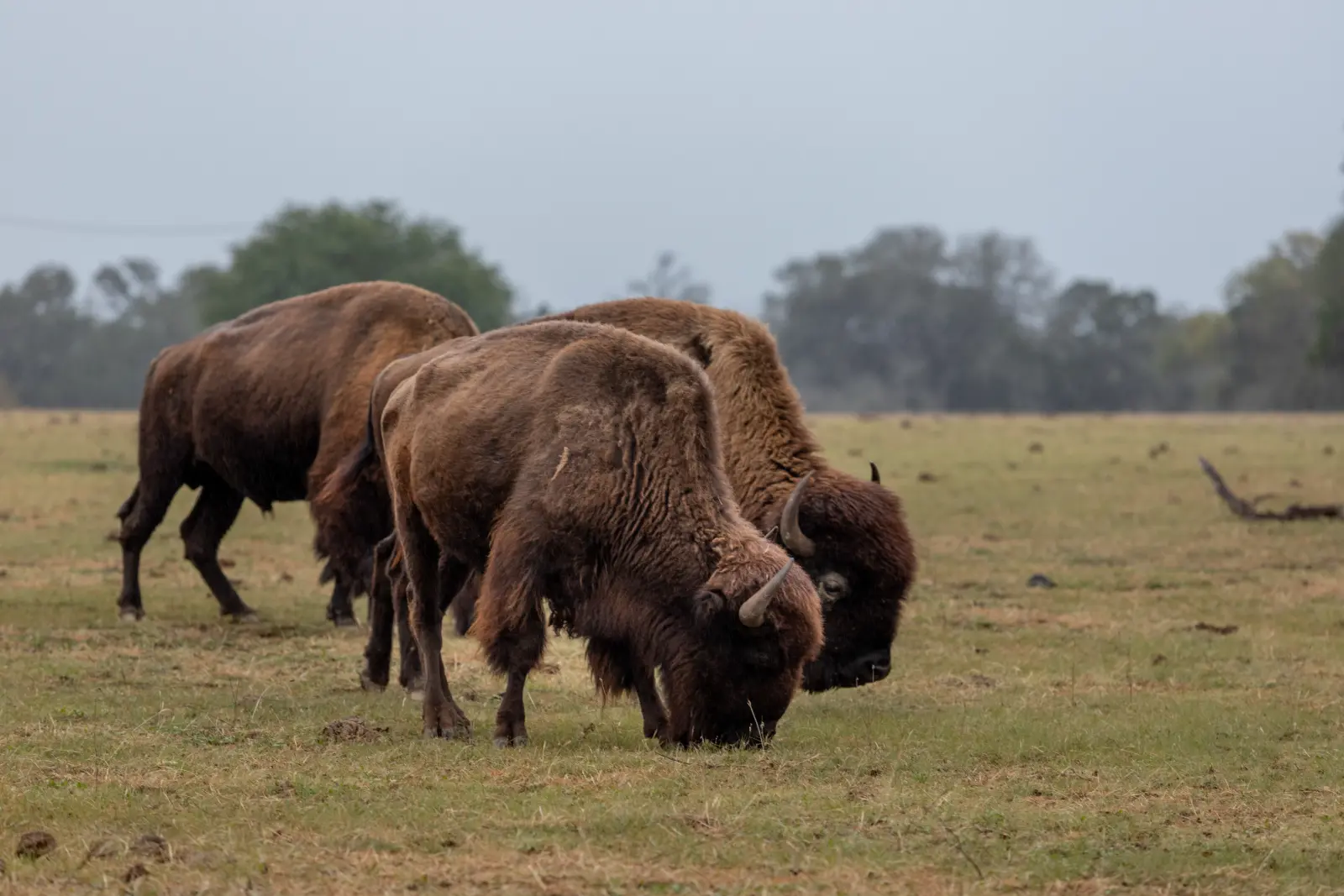
- Plains nations watch drought reduce grass for bison and elk
How Tribes Are Helping Animals Adapt
Native nations are leading some of the most hopeful wildlife projects in North America. Their work blends traditional knowledge with modern science.
Bringing Back the Buffalo
The Blackfeet Nation and other Plains tribes have returned bison to tribal lands. Healthy herds restore grasslands that store carbon and shelter other wildlife.
Restoring Rivers
Tribes in the Northwest have pushed for dam removal and habitat repair. The Elwha River restoration helped salmon return to waters they had not reached in a century.
Tracking Change on the Ground
Tribal hunters and fishers notice shifts in animal behavior early. Their observations help scientists understand what is happening and why.
How You Can Help Wildlife Today
Small actions add up when lots of people take them.
Plant native, drought tolerant plants that feed pollinators and birds
Support tribal conservation and land-back projects
Cut energy use at home and choose low-carbon travel when you can
Report wildlife sightings to community science apps
How Does Climate Change Affect Animals: Your FAQ
Quick answers to common beginner questions.
How Does Climate Change Affect Animals Near You?
Look at your local birds, fish, and insects. Earlier blooms, warmer streams, and longer fire seasons all change what nearby wildlife can find to eat.
Which Animals Are Most at Risk?
Species with narrow habitats are hit hardest, such as polar bears, pikas, and coral reef life. Animals that cannot move easily also face higher risk.
Can Animals Adapt to Climate Change?
Some can shift their range or timing. The problem is speed, since today’s warming often moves faster than many species can follow.
Protect the Animals That Share Your Home
Now you can answer the question “how does climate change affect animals” and see why tribal efforts matter. Pick one action from this guide and start this week.