
Drought Tolerant Plants: A Beginner Guide to Gardening With Less Water
Drought tolerant plants let you grow a garden that keeps going when the rain stops. This guide shows you the best native picks, how to plant them, and what Indigenous farmers have known about dry country for centuries.
Why Drought Tolerant Plants Matter in a Warming Climate
Longer dry spells and hotter summers are now normal across much of the Americas. A thirsty lawn struggles, while plants adapted to dry ground keep thriving.
You use far less water and save on your bill
You spend less time weeding, watering, and replacing dead plants
You feed bees, butterflies, and birds that rely on native species
You build soil that holds moisture better year after year
Best Native Drought Tolerant Plants to Start With
These plants are native to North America and handle dry conditions well once established. Check which ones grow wild in your region for the best results.
Blue Grama Grass
A short, fine-leaved prairie grass with eyelash-shaped seed heads. It makes a low-water lawn alternative across the Plains and Southwest.
Little Bluestem
A clumping grass that turns copper red in fall. Its deep roots help it ride out long dry stretches.
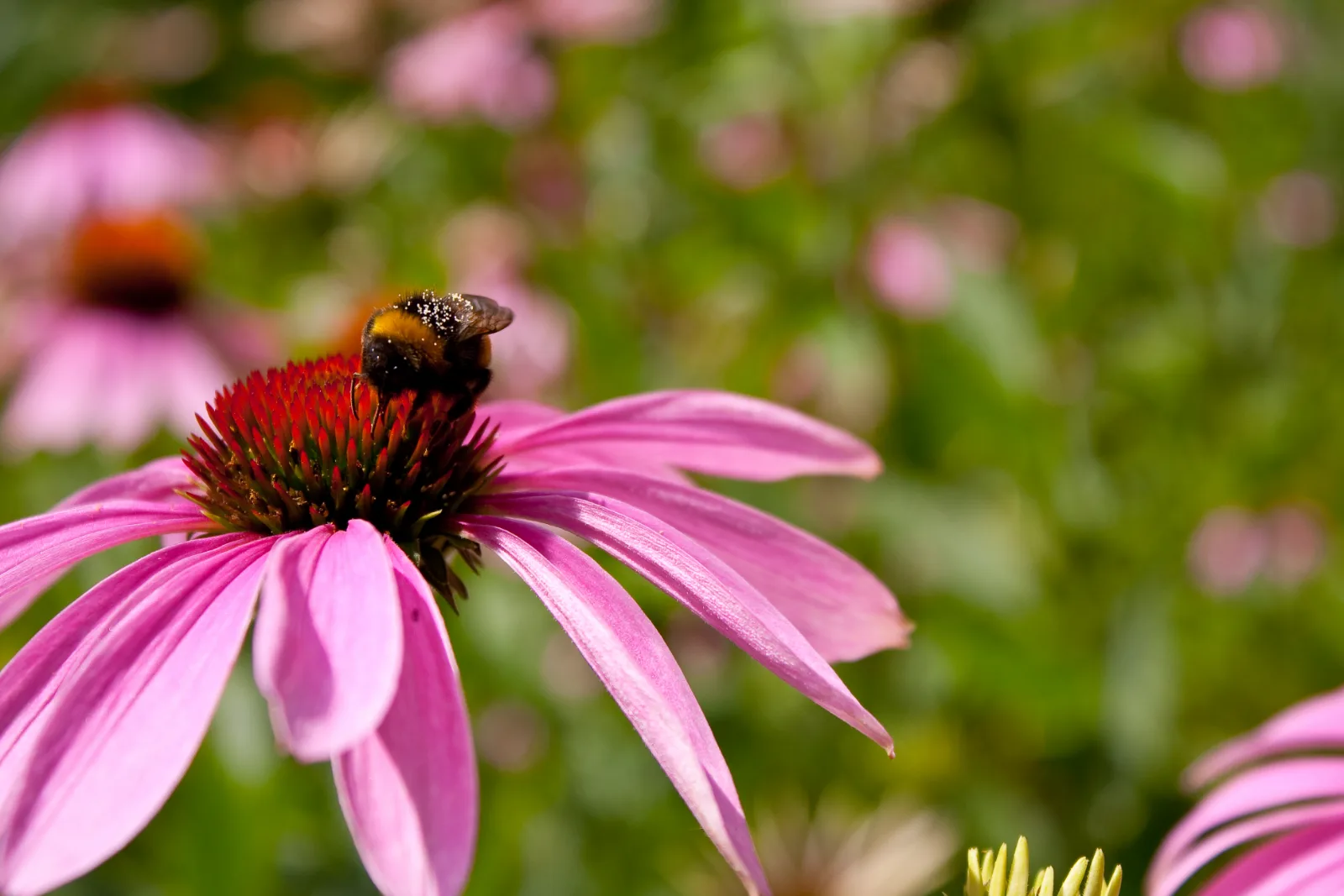
Purple Coneflower
A tough perennial with pink-purple petals that pollinators love. Plains nations have long used Echinacea in traditional medicine.
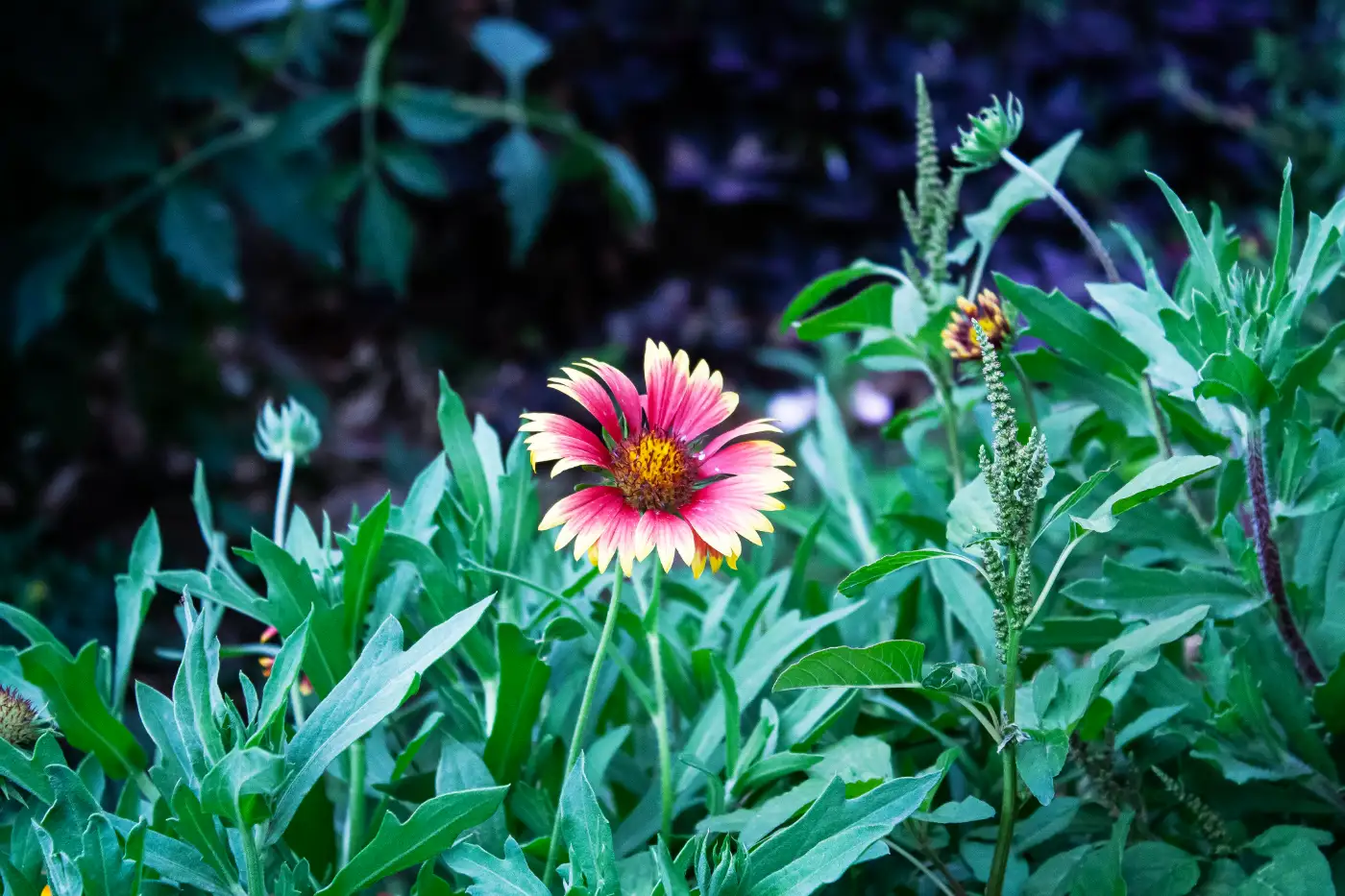
Blanket Flower
Bright red and yellow blooms that handle heat, wind, and poor soil. It flowers from early summer into fall.
Yucca
A sculptural plant with sword-like leaves and tall flower spikes. Many Southwestern tribes have used yucca fiber for rope, sandals, and baskets.
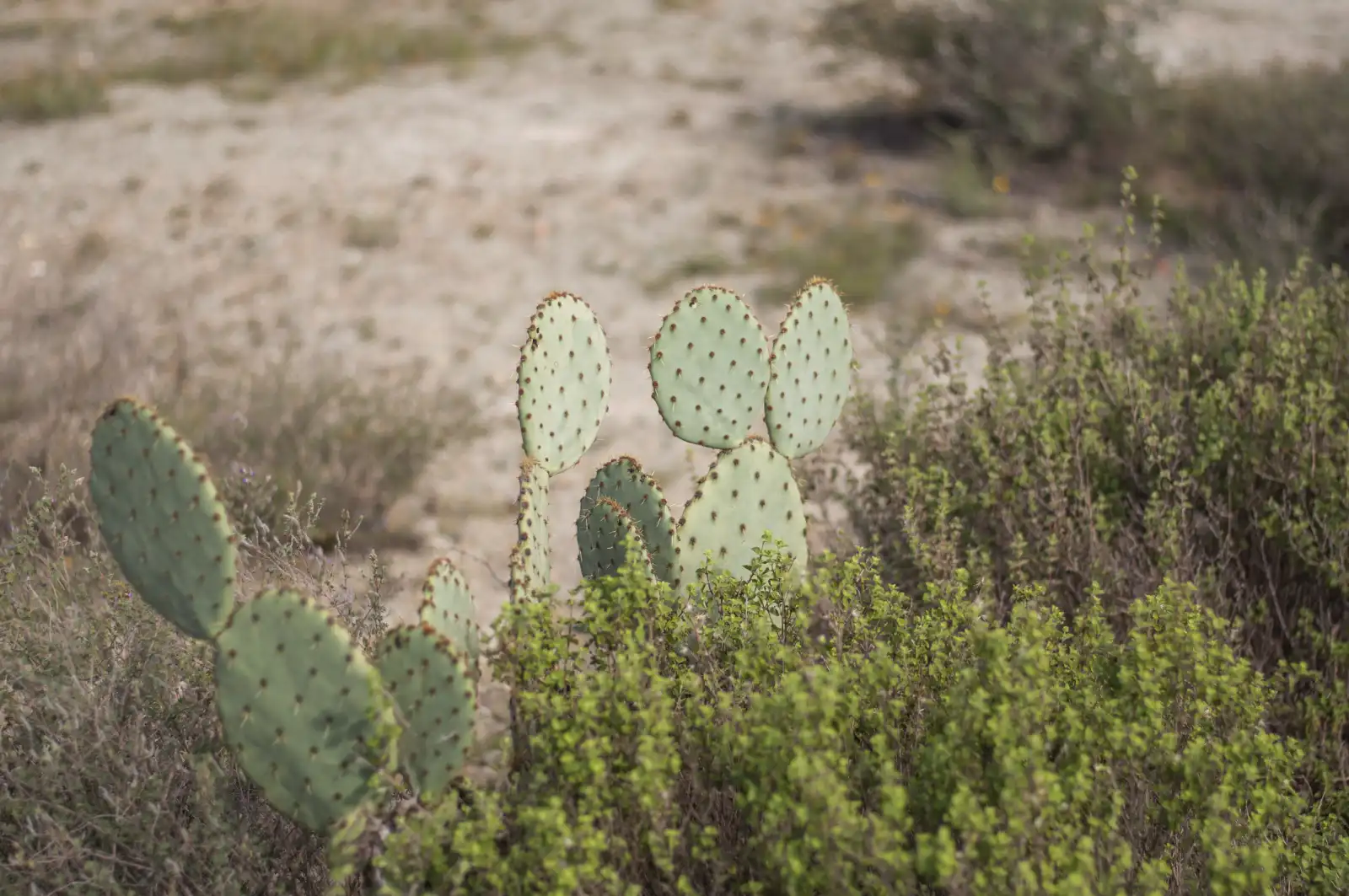
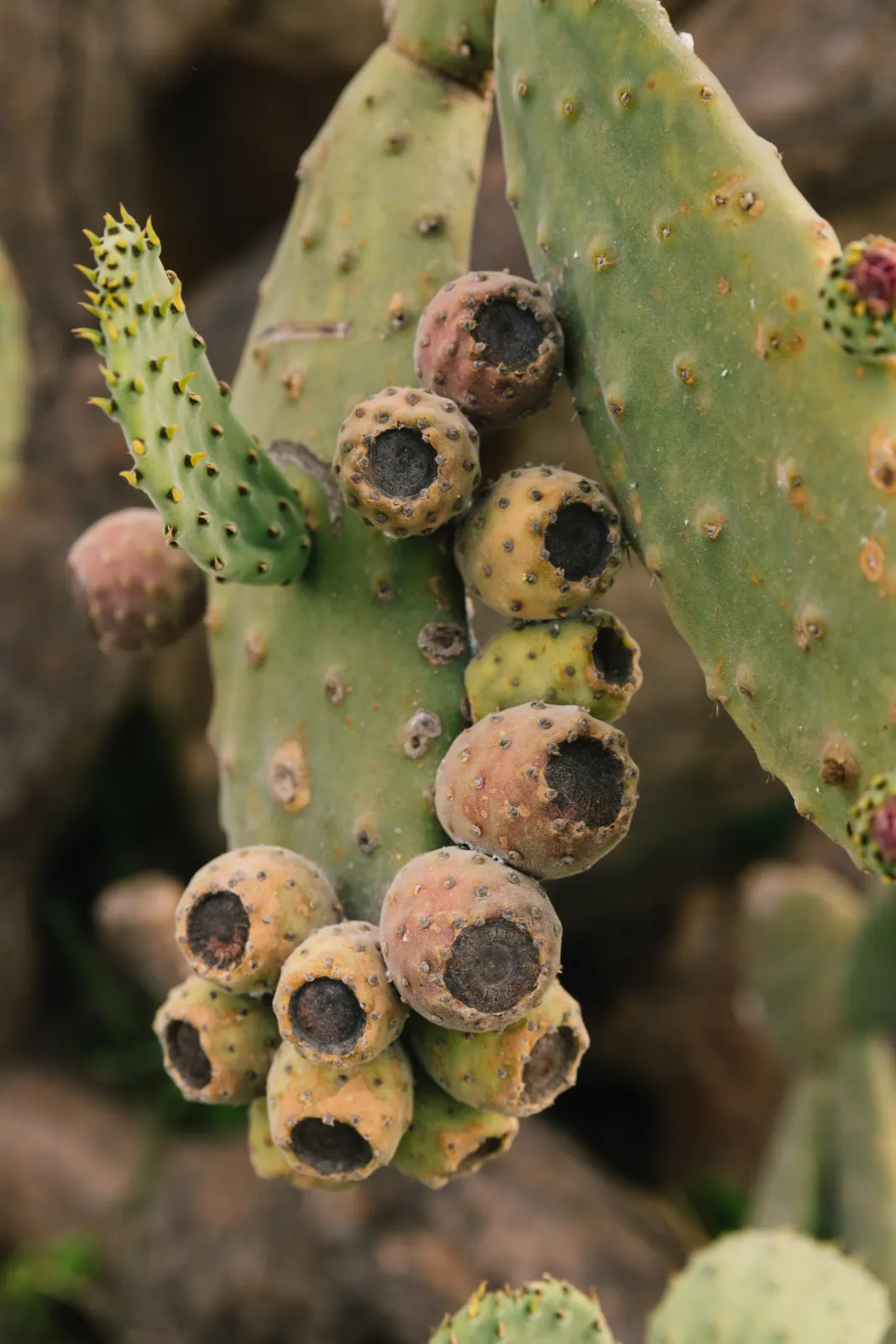
Prickly Pear Cactus
A cactus with flat pads and edible fruit. It stores water in its pads and needs almost no care in sunny, dry spots.
Butterfly Weed
A bright orange milkweed that feeds monarch caterpillars. It grows a long taproot, so plant it where you want it to stay.
Lessons From Indigenous Dry Farming
Native farmers in the Southwest have grown food without irrigation for generations. Their methods still work in your backyard today.
- Hopi farmers plant corn deep in the soil, where moisture lasts longer
- Tohono O’odham communities grow tepary beans, one of the most drought tolerant crops in the world
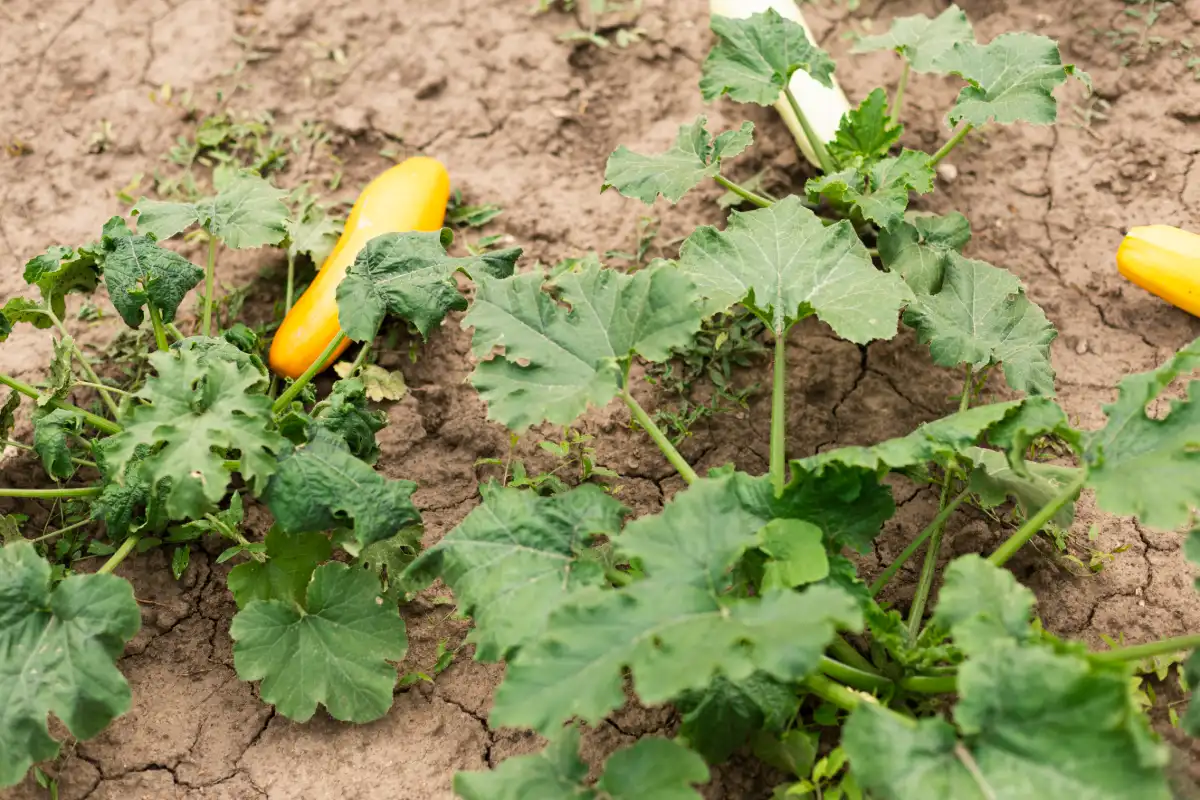
- Three Sisters planting pairs corn, beans, and squash so each plant helps the others
- Waffle gardens, used by Zuni farmers, sink plants into small walled pits that catch every drop of rain
How to Plant a Low-Water Garden
A few smart steps help your new plants settle in and need less from you over time.
Step 1: Know Your Site
Watch how sun and water move across your yard. Group plants with similar needs so you never overwater some to keep others alive.
Step 2: Plant in Spring or Fall
Cooler seasons give roots time to grow before summer heat arrives. Water deeply for the first season, then cut back.
Step 3: Mulch and Let It Be
A layer of gravel or wood mulch keeps soil cool and slows evaporation. Once your plants are established, let natural rainfall do most of the work.
Drought Tolerant Plants FAQ
Quick answers for first-time low-water gardeners.
Do Drought Tolerant Plants Need Any Water?
Yes, especially in their first year. After roots are established, most need only occasional deep watering during long dry spells.
Are Native Plants Better Than Imported Succulents?
Native plants support local insects and birds that evolved alongside them. They are also adapted to your soil and seasons, which means less work for you.
Can You Grow Drought Tolerant Plants in Containers?
Yes. Choose pots with good drainage and a gritty soil mix, since containers dry out faster than garden beds.
Grow a Garden That Works With the Climate
Pick three drought tolerant plants from this list, plant them this season, and watch your yard thrive on a fraction of the water.